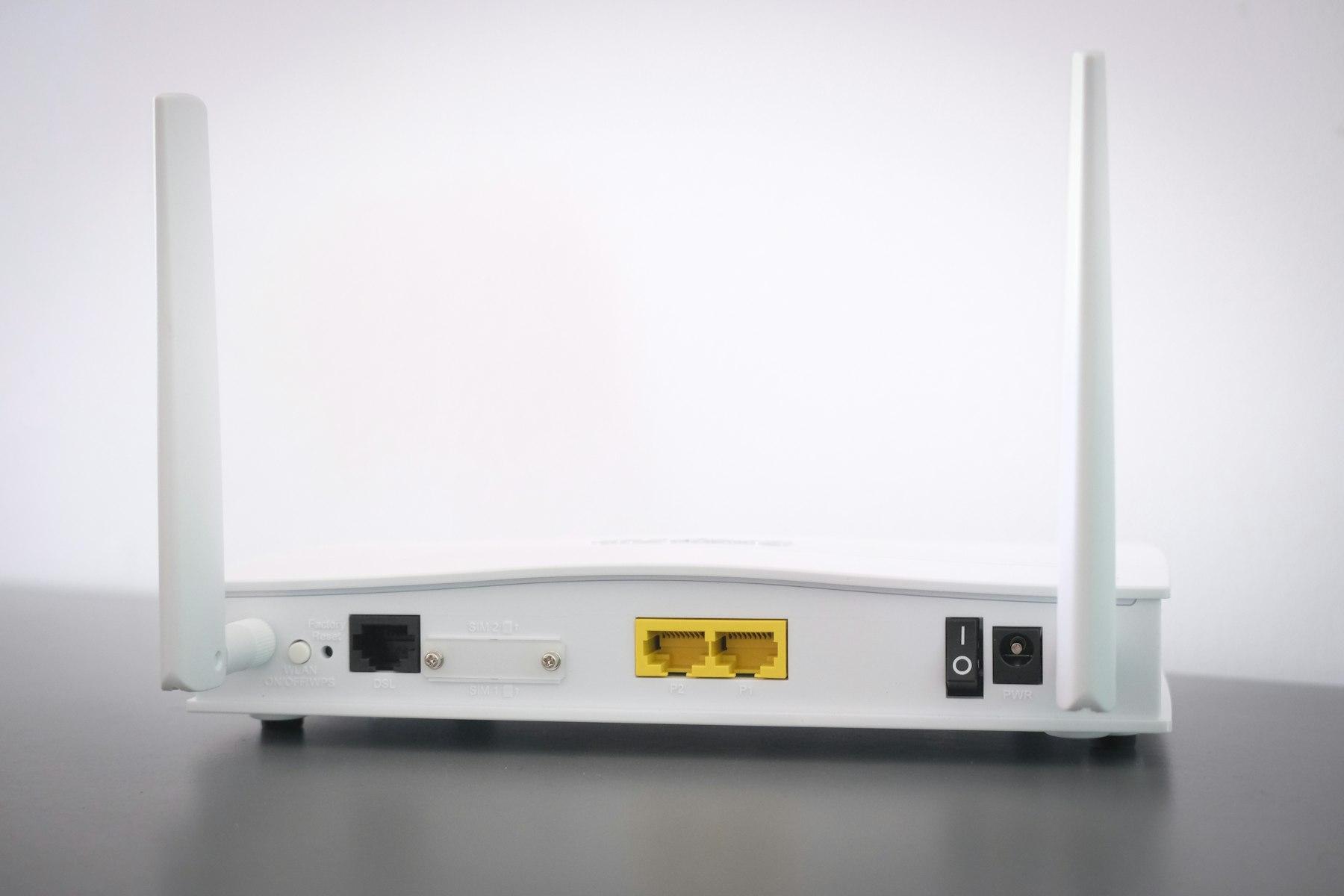

Install, connect, configure and troubleshoot smart devices, sensors, controllers and home-automation systems for homes and buildings.
View Programme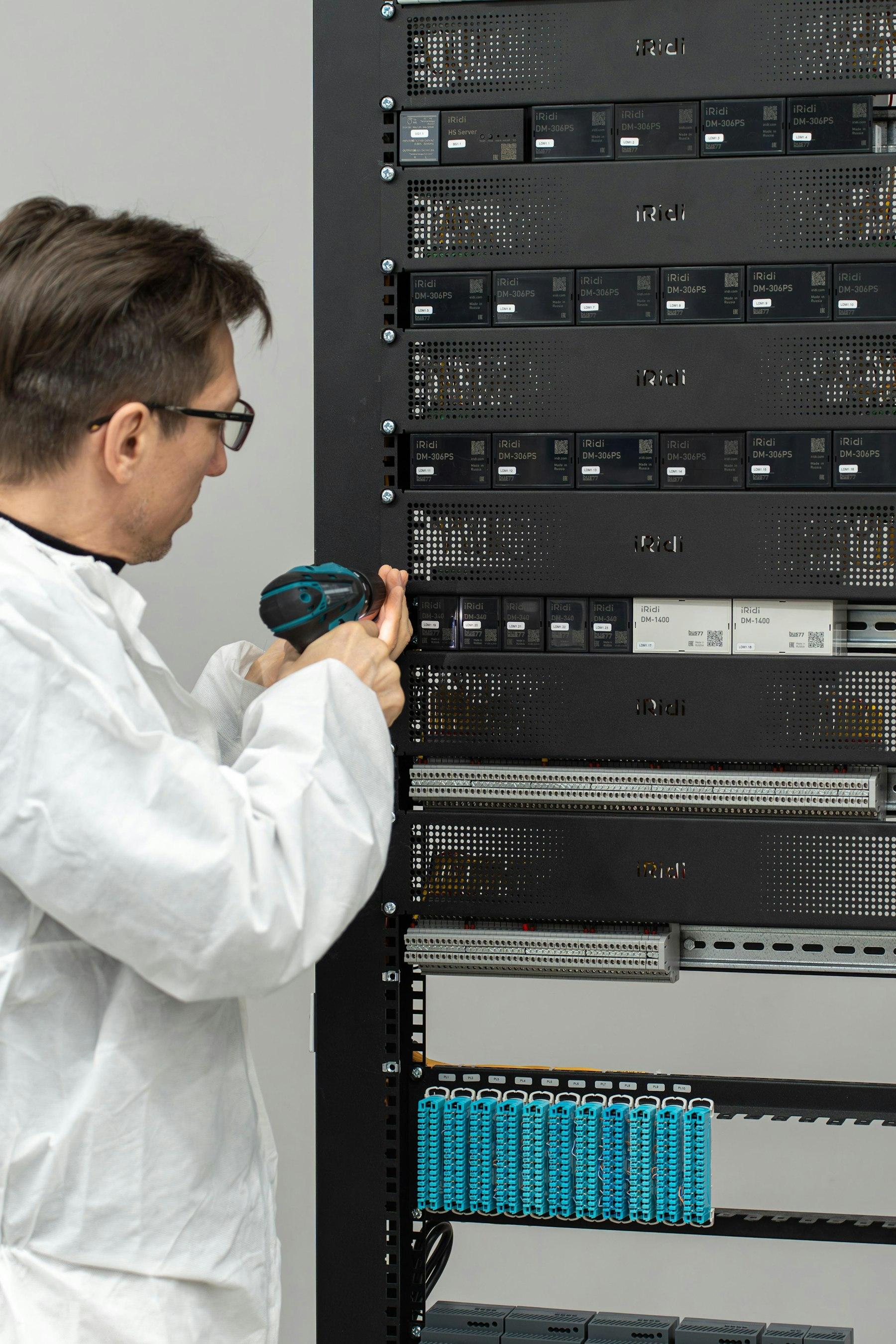
Telecoms & Network Infrastructure
Scroll to explore
Programme Overview
Learners build the hands-on skills to install, configure, test and maintain telecommunications equipment and the network infrastructure that connects it. The programme combines equipment knowledge with field practice in testing, fault-finding, documentation and workplace safety.
- Installation
- Testing & measurement
- Maintenance
What You'll Learn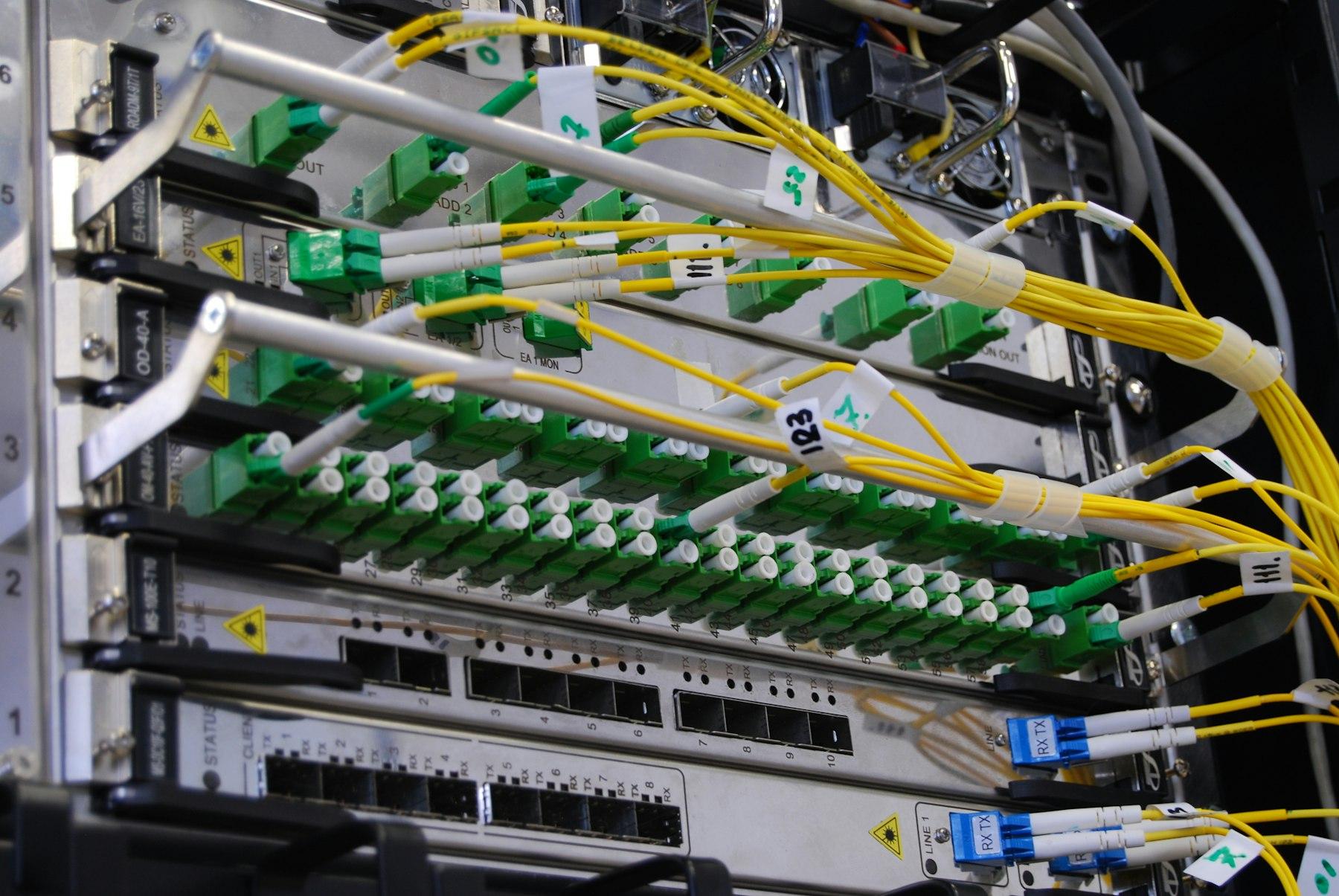
10 Practical Topics
Each topic pairs clear teaching with hands-on practice and comes together in a finished, tested project.
- Telecommunications equipment
- Installation procedures
- Equipment configuration
- Connectivity and related infrastructure
- Testing and measurement
- Fault identification
- Troubleshooting
- Equipment maintenance
- Technical documentation
- Practical field skills and workplace safety
Project-Led, Start to Finish
Practical sessions mirror field work: installing and configuring equipment, taking measurements, tracing faults and recording results the way a technician would on site.
Problem
Start with a real need: a task to automate, a fault to detect, a space to make smarter.
Design
Sketch the system, choose components and plan how they connect.
Build
Write the code, wire the hardware or configure the system, then put it together.
Test
Measure, troubleshoot and improve until it works reliably.
Final Project
Present the working build with photos, video and documentation.
Programme Details
Ready to Build These Skills?
Apply now and our admissions team will contact you about the next intake, entry requirements and how to enrol.
Kits for This Programme
CAD Tech Bootcamps
Start with a Bootcamp
Short courses in the same area are a quick way to build skills before or alongside the programme.
Explore More Programmes
Qualifications and practical programmes, one hands-on way of learning.
All Programmes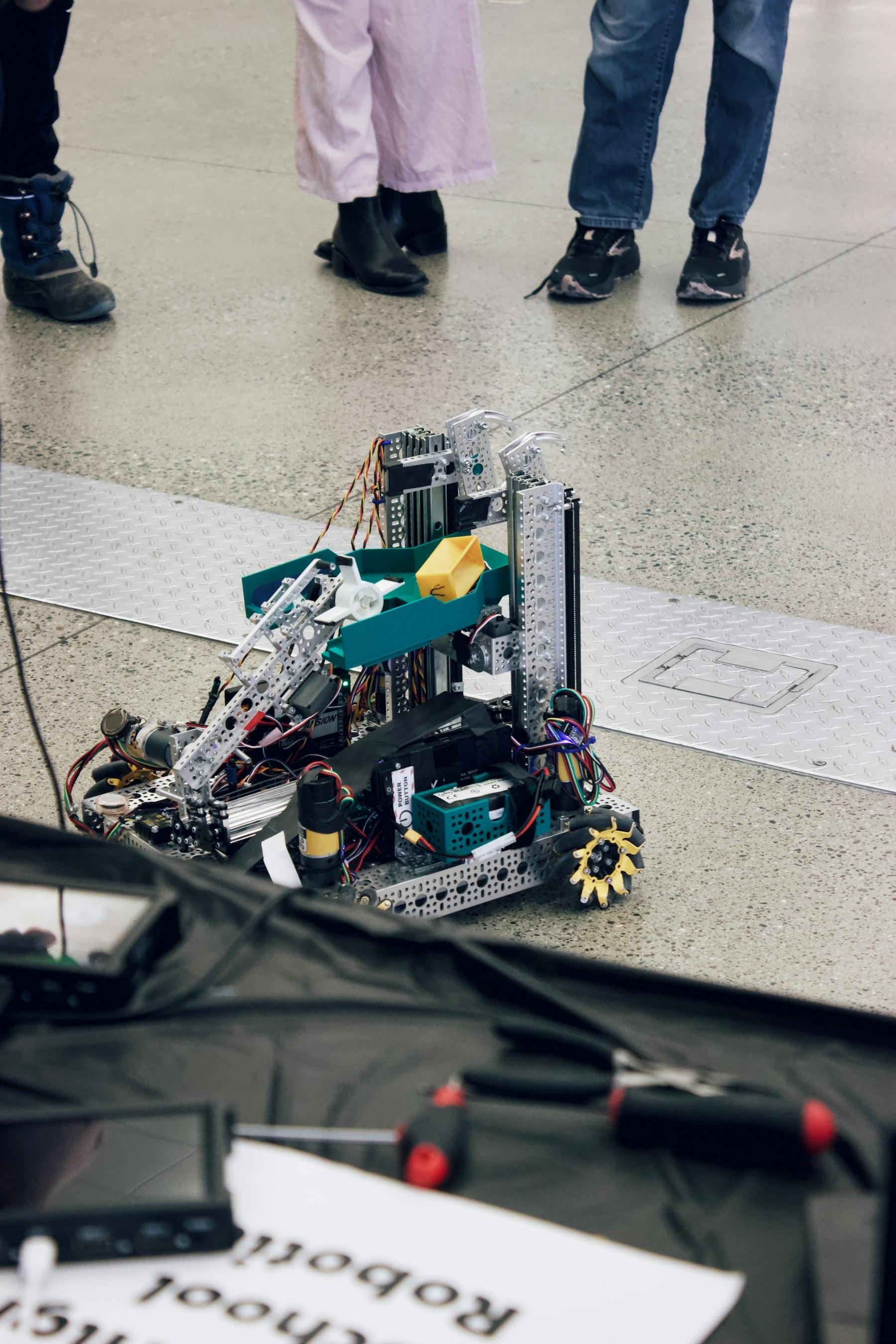
Build, program and integrate robotic systems, from microcontrollers and sensors to working automated machines and practical projects.
View ProgrammeFAQ
Frequently Asked Questions
Complete the online application on this page, or request programme details first. Our admissions team will contact you by phone, WhatsApp or email, answer your questions and confirm the next intake and how to enrol.
The National Diploma (ND) in Computer Science is a diploma programme offered through our partner institution. The professional certificates in Cybersecurity and Artificial Intelligence are separate, additional certificates available through our partner institution in Canada. Our admissions team will confirm the awarding institution for each qualification.
School leavers, career changers and working professionals who want a recognised foundation in computer science, practical skills in artificial intelligence and cybersecurity, or hands-on training in smart infrastructure, telecommunications or robotics.
Qualification and certification details for each programme are published on its page once confirmed by CAD Institute management. Ask our admissions team for the latest position.
Durations and intake dates will be announced on each programme page. Send an enquiry and we will let you know as soon as the next intake is confirmed.
Entry requirements are being finalised. Many learners start with no prior technical experience, and our team can advise on the best starting point for you.
Yes. Alongside the theory, learners build applications, work on AI projects, complete cybersecurity exercises and use real equipment in the lab, with projects that follow a Problem, Design, Build, Test and Final Project structure.
Apply NowBuild Your FoundationDevelop Your SkillsShape Your Future
Apply NowBuild Your FoundationDevelop Your SkillsShape Your Future